

WHY YOU NEED A REALTOR
As a licensed professional Realtor, I provide much more than the service of helping you find your ideal home. I am an expert negotiator; I provide financial guidance for my clients and I have superb market education around local neighborhoods within the Denver Metro & Surrounding areas.
As a knowledgeable Realtor® I can save you endless amounts of time, money, and frustration.
I know the housing market inside and out and can help you win the bidding wars.
I can help you with any home, even if it is listed elsewhere, or if it is being sold directly by the owner, or if it is a newly built home.
I know the best lenders in the area and can help you understand the importance of being pre-qualified for a mortgage. I can also discuss down payments, closing costs, and monthly payment options that suit you.
I am an excellent source for both general and specific linked information about the community such as schools, churches, shopping, and transportation – plus tips on home inspections and pricing.
I am experienced at presenting your offer to the homeowner and can help you through the process of negotiating the best price. I bring objectivity to the buying transaction and point out the advantages and the disadvantages of a particular property.
DEFINITIONS OF RELATIONSHIPS
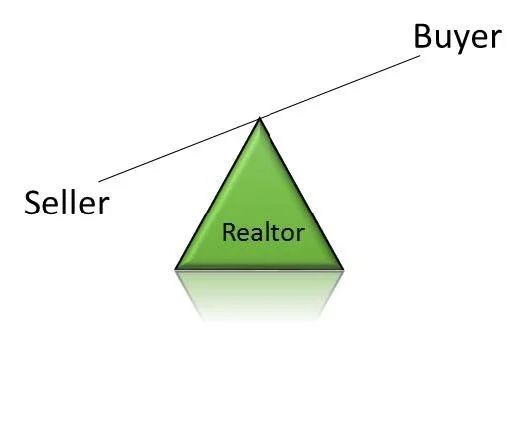
BUYER AGENCY
Agent represents best interests of the buyer
Agent owes the buyer fiduciary duties
Agent must give the seller financial facts regarding the buyer so the seller can make an educated decision
Agent must give the buyer all material facts known
Buyer signs Buyer Agreement
Agent negotiates on behalf of the buyer
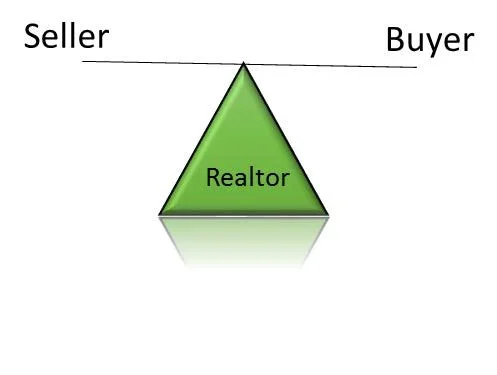
TRANSACTION BROKER
Agent represents both the buyer and the seller equally
Agent's objective is to get a mutually satisfactory agreement among all parties
Agent gives all options to the buyer and the seller
All parties have confidentiality. Agent may do nothing to the detriment of either the buyer or the seller
Both the buyer and the seller have a right to legal counsel.
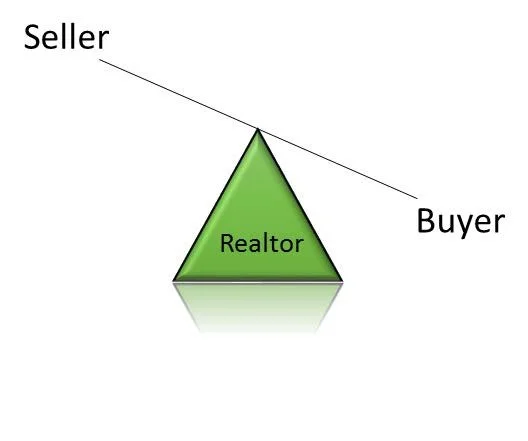
SELLER AGENCY
Agent represents best interests of the seller
Agent owes the seller fiduciary duties
Agent must give potential buyers all material facts so the buyer can make an educated decision
Seller signs listing agreement contract with Agent
QUALIFYING FOR A MORTGAGE
The Colorado market demands you be pre-qualified with a Lender BEFORE you begin to search for your new home unless you intend to pay cash for your home.
CREDIT REVIEW
Unless you have the resources to pay cash for a home, you will have to obtain a mortgage from a lender. One of the key factors lenders look at is your credit. Most lenders needs a 640 credit score to get you qualified to purchase any homes in Colorado. My preferred lender has access to First-time buyer programs that will give you your down payment for the home.
LENDER PRE-APPROVAL
HOW MUCH HOUSE CAN YOU AFFORD?
There are three main factors to consider:
The down payment and closing costs.
Your ability to qualify for a mortgage and the monthly payment.
Homeowner Association (HOA) fees, taxes, insurance, mortgage insurance, special assessments.
DOWN PAYMENT REQUIREMENTS: Most (but not all) loans today require a down payment of at least 3% to 5%, depending on the type and terms of the loan. If you can pay 20% or more down, you can usually eliminate mortgage insurance. There are a number of down payment assistance programs available to help with both the down payment and with closing costs.
CLOSING COSTS: You will be required to pay fees for loan processing and other closing costs. These fees must be paid in full at the final settlement, unless you are able to include them in your financing. Total closing costs can range from 2% to 5% of your mortgage loan, and include the loan origination fee, processing costs, pre-paid fees, title insurance, and escrow fees. The seller will sometimes agree to pay some or all of these fees.
QUALIFYING FOR THE MORTGAGE: Most lenders will allow your monthly payment range to be between 28% and 38% of your gross monthly income, depending on your other monthly obligations.
Your mortgage payment to the lender includes the following items:
The principal on the loan (P)
The interest on the loan (I)
Property taxes (T)
The homeowner's insurance (I)
Private mortgage insurance (PMI)
Your total monthly PITI and all debts (from installments to revolving charge accounts) should not exceed 43% of your gross monthly income. The following are the key factors that determine your ability to secure a home loan: Credit Report, Assets, Income, and Property Value.
Your preapproval letter will be included with any Offer to Purchase to let the seller know you are qualified for the amount you are offering.
TEN RULES NOT TO BREAK
It is not unusual for a mortgage company to check your credit the morning of closing, just to make sure your credit status hasn't changed. So once you have applied for a Real Estate Loan, breaking any of these 10 rules may result in the loss of the loan and your new home, and possibly your earnest money. After closing, these rules will no longer apply.
Do not change jobs, become self-employed, or quit your job.
Do not buy a car, motorcycle, truck, or van (or you may be living in it!).
Do not use charge cards excessively or let your accounts fall behind.
Do not spend money you have set aside for closing.
Do not omit debts or liabilities from your loan application.
Do not buy furniture, televisions, or any other "big ticket" items.
Do not originate any inquiries into your credit, or open new lines of credit.
Do not make large deposits without first checking with your loan officer.
Do not change bank accounts.
Do not co-sign a loan for anyone.
SHOPPING FOR A HOME IN COLORADO
Showing procedures have changed with COVID and children are not allowed in most homes at this time. Most homes are only allowing the "decision makers" to view the listing. Masks are required and showing times are short so promptness is important.
The Colorado market is VERY competitive for Buyers.
Be realistic when determining your needs versus wants in your new home.
Be ready to go see homes as soon as they come on the market. During lunch, before work, after work & on weekends.
It is wise to shop below your means so you have room to offer above asking price for the home.
When you decide a home is suitable for your needs, it is time to make an offer. You will most likely not be the only person to be making offers on the same property.
You may lose in a few bidding wars. Don't get discouraged, the home that is meant for you will be yours.
MAKING AN OFFER ON A HOME IN COLORADO
Once you have found the home you wish to purchase, you will need to determine what offer you are willing to make for the home. It is important to remember that the more competition there is for the home, the higher the offer should be - sometimes even exceeding the asking price. Be realistic. Make an offer you want the other party to sign, or at least counter. You will also need to decide if you are going to pay the closing costs out of your pocket, or if you need the seller to help pay them. We will also need to work closely with your lender to determine how to structure the financial aspect of the offer.
To communicate your interest in purchasing a home, we will present the listing agent with a written offer. When the seller accepts and signs an offer it becomes a legal contract. When you write an offer, you should be prepared to pay an earnest money deposit. This is to guarantee that your intention is to purchase the property. This earnest money will only be returned to you under certain circumstances. This could be based on the inspection, inability to secure affordable insurance, or your inability to secure adequate financing. In those cases, we must notify the seller in writing by certain deadlines. If you decide for any other reason that you do not want to go through with the purchase, you will likely lose your earnest money.
After we present your offer to the listing agent it will either be accepted, rejected, or the seller will make a counter offer. In today’s market, it is common for offers to be outbid and for clients to make multiple offers on multiple homes. Don’t get discouraged, I will find your perfect home! When an offer is accepted, this is when we will negotiate the final price and terms of the contract. Asking the seller to fix certain items in the home after the inspection is a separate negotiation.
The purchase agreement/contract constitutes your offer to buy and once accepted by the seller, becomes a valid, legal contract. For this reason, it is important to understand what is written on the offer to purchase. I will go over the contract with you before you sign.
EARNEST MONEY & INSPECTIONS
EARNEST MONEY
Once the contract is signed, the Earnest Money check is delivered to the Title Company or the listing brokerage within 3 Days. The check will be cashed and placed in an escrow account until closing. The earnest money can be used by the lender toward down payment or closing costs.
HOME INSPECTION
If you are purchasing a resale property, and in some cases even a new home, I highly recommend that you have a professional home inspector conduct a thorough inspection. I can help you find a suitable inspector based on your needs and budget. These inspections are typically done done within 1 week of going under contract.
The general inspection will cost between $250-$450 depending on the size of the home and will include the following:
Roof
Siding, trim, driveway, sidewalk
Appliances
Plumbing
Electrical (Watch out for FPE electrical panels and aluminum wiring)
Furnace, water heater, and air conditioning
Basement floor, walls, crawl space
Attic
Foundation, drainage, sump pit and pump
General Structure
Optional Radon Test - $150 additional
Sewer Scope - $135 additional
Optional Environmental Test - Cost depends on type of testing recommended
The inspection is not designed to criticize every minor problem or defect in the home. It is intended to report on major damage or serious problems that require repair. Should serious problems be indicated, the inspector will recommend that a structural engineer or some other professional inspect it as well. After the inspection, if there are major problems that you do not want to deal with, we can terminate the contract at that point and get your earnest money back.
Normally, the inspector will not "fail" a home. He will report on any and all areas of the home that are in need of repair or maintenance and make recommendations. We will then determine which items to include in the Inspection Notice that we will ask the seller to address. Sellers are generally agreeable to make most of the repairs indicated in the Inspection Notice, as they are anxious to sell the home.
The seller may be willing to make some or all repairs, they may offer a credit for completion of repairs, or they may not be willing to fix anything. This is the second round of negotiations. If the seller is not willing to address the issues, you can decide if you are willing to make the repairs, or if you want to back out of the contract. In addition to the home inspection, you may wish to have separate tests conducted for Radon Gas, Environmental Conditions and/or Sewer Lines.
I recommend that you be present during the inspection. This is to your advantage. You will learn more about your home during the inspection than at any other time. In addition to learning about any problems, you will learn how and where to shut off the water, electricity, furnace, how to replace filters, etc. You will be able to clearly understand the inspection report, and know exactly which areas need attention. Plus, you can get answers to many questions, get tips for maintenance, and get a lot of good information that will help you once you move into your new home.
BEHIND THE SCENES
WHAT HAPPENS NEXT
Now that you have decided to buy your home, what happens between now and the time you legally own the home? A Title Company may handle the following items. NOTE: In different parts of the country, attorneys, lenders, escrow companies and other persons who are independent of title companies perform some or all of these functions.
TITLE EXAMINATION & TAX CHECK
Tax Search The Title Company contacts the county assessor to verify what taxes are owed.
Title Search Copies of documents are gathered from various public records: deeds, deeds of trust, various assessments and matters of probate, heir ship, divorce, bankruptcy, and liens are addressed.
Title Insurance There are two types of title insurance provided on a transaction:
Coverage that protects the lender for the amount of the mortgage
Coverage that protects your equity in the property, OEC – Owners Extended Coverage
Title examiners search public records to determine who has owned any piece of property and these records may not reflect irregularities in the property.
Some examples: an unknown, but rightful heir to the property shows up after the sale to claim ownership; conflicts arise over a will from a deceased owner; a land survey showing the boundaries of your property is incorrect; one or more unrecorded liens on the property. For a one-time charge at closing, title insurance will safeguard you against problems, including those events an exhaustive search will not reveal.
FINALIZING YOUR LOAN
UNDERWRITING
Once all necessary documents have been collected such as your W2's, Tax Filings, Title & Tax, your loan officer will submit your file to Underwriting. These are the people that determine your final eligibilty for the house and the houses eligibility for the loan program chosen. Often times the underwriter will request additional documentation or verifications. Although this can be inconvenient, be prompt at getting them what they ask for.
APPRAISAL
The lender will request an appraisal for your home. This typically is a cost paid out of pocket and will be $700 or more. Your loan officer will request payment for this once we have cleared inspections. The cost can be put on a credit card.
What if the appraisal comes back low?
If the appraisal comes back low, you can back out and get your earnest money back IF the Seller refuses to lower the purchase price to match the appraisal. Most Sellers will lower the purchase price to meet appraisal, however, competitive offers are often offering an Appraisal Gap meaning: If the appraisal comes in low you agree to still pay $XX above Appraisal price. If you elect to do this, it will be money due from you at closing as the lender will not loan more than the appraisal amount.